Winter in Cappadocia is cold: from December to February, daytime highs average 4–6 °C (39–43 °F), nights drop below freezing and snow is common. Balloons still fly in winter, but on far fewer days, so build at least two spare mornings into your plan. In return the valleys are quiet and prices lower, and no-fly days fill easily with underground cities, museums, Avanos pottery workshops and wine tastings.
Cappadocia in winter is worth it if you come prepared for cold and keep your plans flexible. From December to February, daytime highs average 4–6 °C (39–43 °F), nights drop below freezing and snow is common. Balloons still fly on calm mornings, but cancellations are far more frequent than in summer. The reward: quiet valleys, lower prices and a real chance of seeing fairy chimneys under snow.
Should you visit Cappadocia in winter? Pros and cons
Pros:
- Outside New Year and Turkish holiday weeks, valleys, viewpoints and historic sites are at their quietest of the year.
- Rooms are easier to find at good rates, and industry representatives say balloon flights are cheaper from November to February.
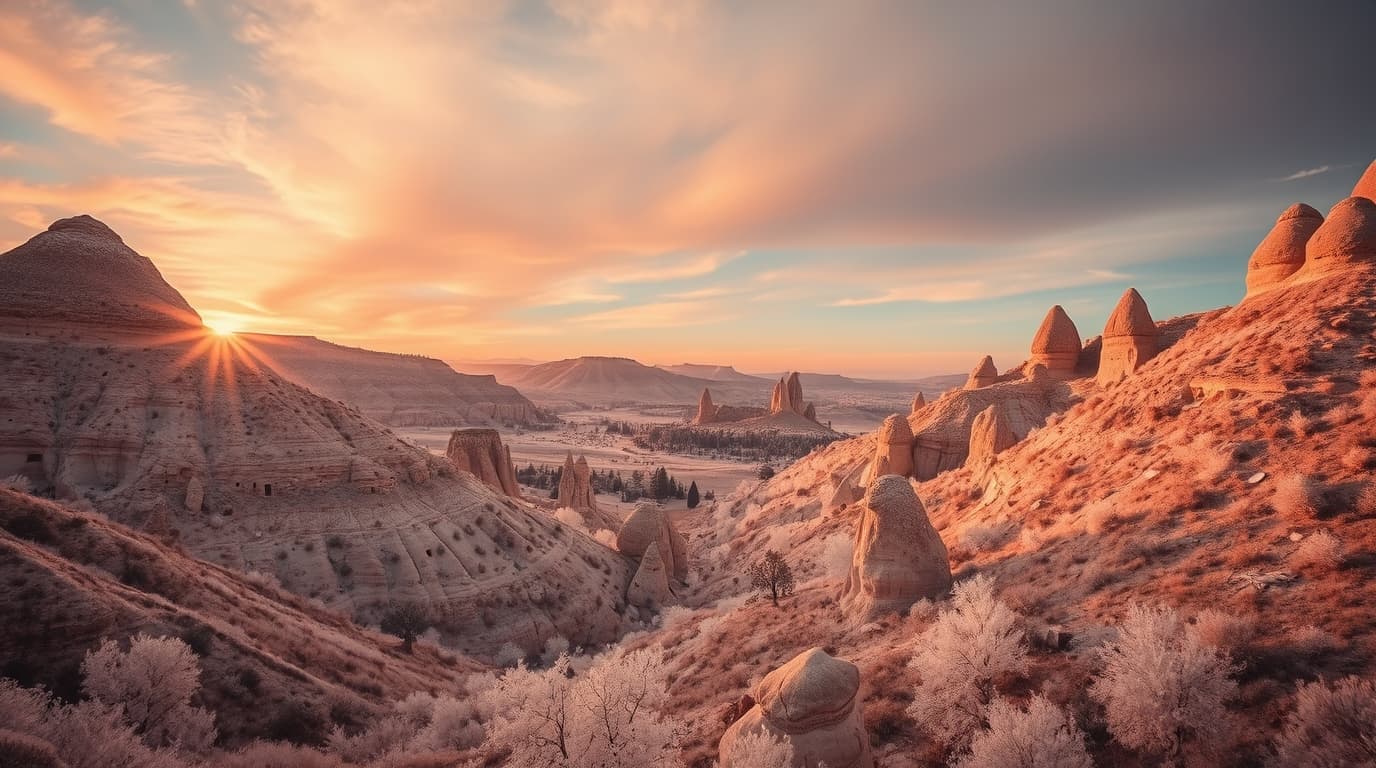
- Snow-covered fairy chimneys, with balloons above the white valleys on flying days, are a sight of the cold months only.
Cons:
- Daylight drops to about nine and a half hours, with sunset between 5:20 and 5:45 pm.
- Balloon cancellations are far more frequent than in summer, so spare mornings are essential.
- Morning ice calls for care on roads and trails alike.
- Snow and mud make some hiking routes harder or temporarily impractical.
What is Cappadocia like in winter? Temperatures and snow
These are the official 1991–2020 climate normals from Türkiye's State Meteorological Service (MGM) for the Nevşehir station, about 10 km (6 miles) from Uçhisar and at a similar altitude.
| Month | Avg high | Avg low | Days with precipitation | Daily sunshine | Sunrise / sunset (15th) |
|---|---|---|---|---|---|
| November | 11.6 °C (53 °F) | 2.1 °C (36 °F) | 7.1 | 4.6 h | 07:22 / 17:28 |
| December | 6.2 °C (43 °F) | −1.4 °C (29 °F) | 9.3 | 2.8 h | 07:51 / 17:20 |
| January | 4.1 °C (39 °F) | −3.5 °C (26 °F) | 8.8 | 3.1 h | 07:57 / 17:43 |
| February | 6.0 °C (43 °F) | −2.6 °C (27 °F) | 7.8 | 4.2 h | 07:31 / 18:17 |
| March | 10.9 °C (52 °F) | 1.0 °C (34 °F) | 10.3 | 5.3 h | 06:52 / 18:47 |
The averages look mild, but the extremes are not. In MGM records kept since 1959, Nevşehir has dropped to −21.2 °C (−6 °F) in January and −23.6 °C (−10 °F) in February, and the station's deepest snow, 64 cm (25 in), was measured on 2 February 1992. On windy mornings it feels considerably colder than the thermometer says.
Snow can fall in any month from December to March, most often in January. How much falls, and how long it lies, varies from year to year: some winters the valleys stay white for long spells, in others the snow melts within days. If snow is the point of your trip, keep your dates flexible and watch the forecast in the final week. Bright snowy mornings are also hard on the eyes: according to the World Health Organization, fresh snow almost doubles UV exposure, so pack sunglasses even in January.
Hot-air balloons in winter: they fly, but stay flexible
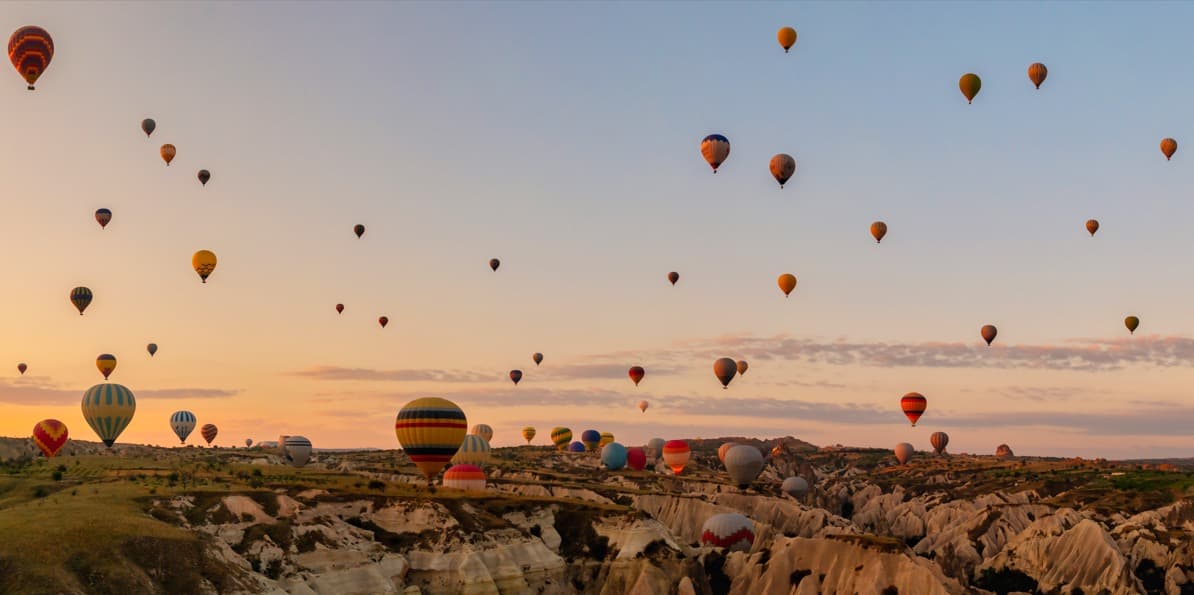
Balloons do fly in winter. Each morning, the Directorate General of Civil Aviation (SHGM) decides whether flights can go ahead based on wind, visibility and precipitation, and in winter snow, fog and wind get in the way far more often. According to SHGM figures reported in July 2026 (in Turkish), balloons flew on just 9 days in January and 8 in February that year, compared with 25 in June. That winter was wet and windy, so the numbers will not repeat exactly, but the direction is the same: your odds of flying drop sharply in winter.
In December and January the sun rises at around 7:40–8:00 am, and companies usually pick passengers up about an hour earlier, confirming the time the evening before. The go/no-go call comes early that morning, so have a plan B for the day ready. To give yourself the best chance:
- Book the balloon for your first morning so the following mornings can serve as back-ups.
- Keep at least two spare mornings; in winter, three nights make more sense than two.
- Confirm the cancellation and rebooking terms in writing when you book.
- Take advantage of lower prices: Turkish tourism industry representatives say balloon flights are cheaper from November to February.
- Dress for a long, cold wait at the launch site: thermal base layer, beanie, gloves and waterproof shoes.
For how a flight works and how to choose an operator, read our Cappadocia hot-air balloon guide; to compare seasons, see the best time to visit Cappadocia.
What to do on cold or no-fly days
When the balloons stay on the ground or the wind bites, it is easy to fill the day with sheltered sights. If you are staying at Zeppelin Cappadocia, our tour desk can help you arrange tours and transfers for the day after a cancelled flight.
- Underground cities: Kaymaklı (about 28 km, 30 minutes from the hotel) and Derinkuyu (about 38 km, 40 minutes) lie below ground, out of the wind and snow. Passages are narrow and ceilings low; for their history and other underground cities, see our guide to Cappadocia's ancient sites.
- Göreme Open-Air Museum: the rock-cut churches and frescoes, about 6.5 km away, are easier to enjoy on quiet winter days. Opening hours change with the seasons, so check the official Turkish museums portal before you go; more in our Göreme Open-Air Museum guide.
- Pottery in Avanos: according to GoTürkiye, the official tourism portal, Avanos potters take their clay from the Kızılırmak (Red River), and some of their techniques date back to Hittite times. Many workshops in Avanos, about 20 minutes away by car, let you try the wheel yourself.
- Wine tasting: Cappadocia is known for white wines from the local Emir grape, grown in volcanic soil, and GoTürkiye notes that vineyard estates welcome visitors all year round. Confirm tasting times at wineries around Ürgüp before you set off.
- A hot lunch: testi kebabı, meat and vegetables slow-cooked in a sealed clay pot, is made for cold days; our pottery kebab guide covers where to eat it.
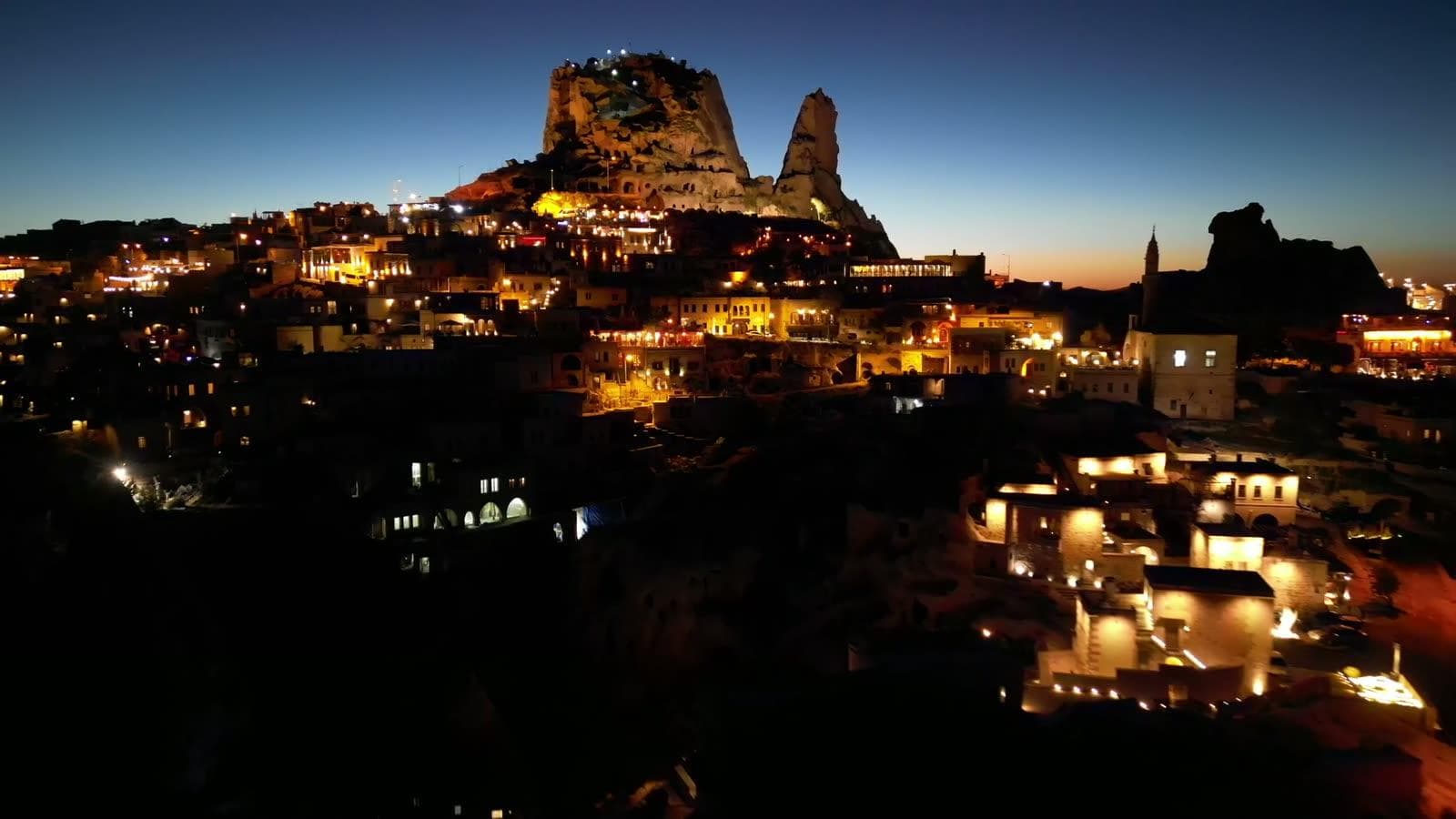
- Uçhisar Castle: on a clear day after snowfall it offers one of the widest panoramas in the region; watch your step on icy stairs. Details in our Uçhisar Castle guide.
Hiking in the snowy valleys
You can still hike in winter, and snowy valleys look nothing like they do in summer. But the tuff trails turn slippery when frozen and muddy when the snow melts. Choose well-known, well-used routes such as Pigeon Valley, whose Uçhisar trailhead is about 1.1 km from our hotel, and avoid walking long, remote valleys alone in winter.
- Wear waterproof boots with deep lugs; slip-on microspikes help on icy slopes.
- Walk around midday: trails are at their most slippery in the morning frost.
- Head back at least an hour before sunset, which comes at around 5:20 pm in December.
- Keep your phone in an inside pocket; batteries drain quickly in the cold.
For routes and timings, see our Cappadocia valley hikes guide.
Driving in snow and ice
The real winter hazard on Cappadocia's roads is morning ice. With average lows below freezing from December to February, shaded bends, bridges and slopes can stay slippery until midday, and the hours you set out for balloons and sunrise are exactly the coldest ones.
- Winter tyres: under an amendment published in Türkiye's Official Gazette on 4 October 2025, winter tyres are mandatory from 15 November to 15 April for vehicles carrying passengers or goods on intercity roads. The national rule does not cover private cars, but ask your rental company for winter tyres anyway.
- Driving style: slow down, leave a long gap and avoid sudden braking or steering.
- Dirt tracks: stay off the unpaved roads that lead down into the valleys when there is snow or mud.
- Timing: drive long distances in daylight and check weather and road conditions before setting off in snow.
- Parking: if you use our free open-air car park, an ice scraper saves time on frosty mornings.
For renting a car and driving in the region, see our Cappadocia car rental guide. If you would rather not drive, we can arrange a paid airport transfer in advance; airport options are covered in our Cappadocia transport guide.
New Year and holiday crowds
Winter is Cappadocia's quietest season, with a few exceptions. Over New Year, hotels often fill weeks in advance and demand for balloon flights rises. The Turkish semester break (25 January–5 February in 2027) brings domestic families, and the 8–12 March 2027 school break coincides with Ramazan Bayramı (Eid al-Fitr, 9–11 March), making for a busy week. Outside these dates, rooms and balloon seats are much easier to find in December, January and February.
If you are coming for New Year, book your room and balloon early and still keep a spare morning: with demand high, finding a free seat the next day after a cancellation can be hard.
Why a warm room matters in winter
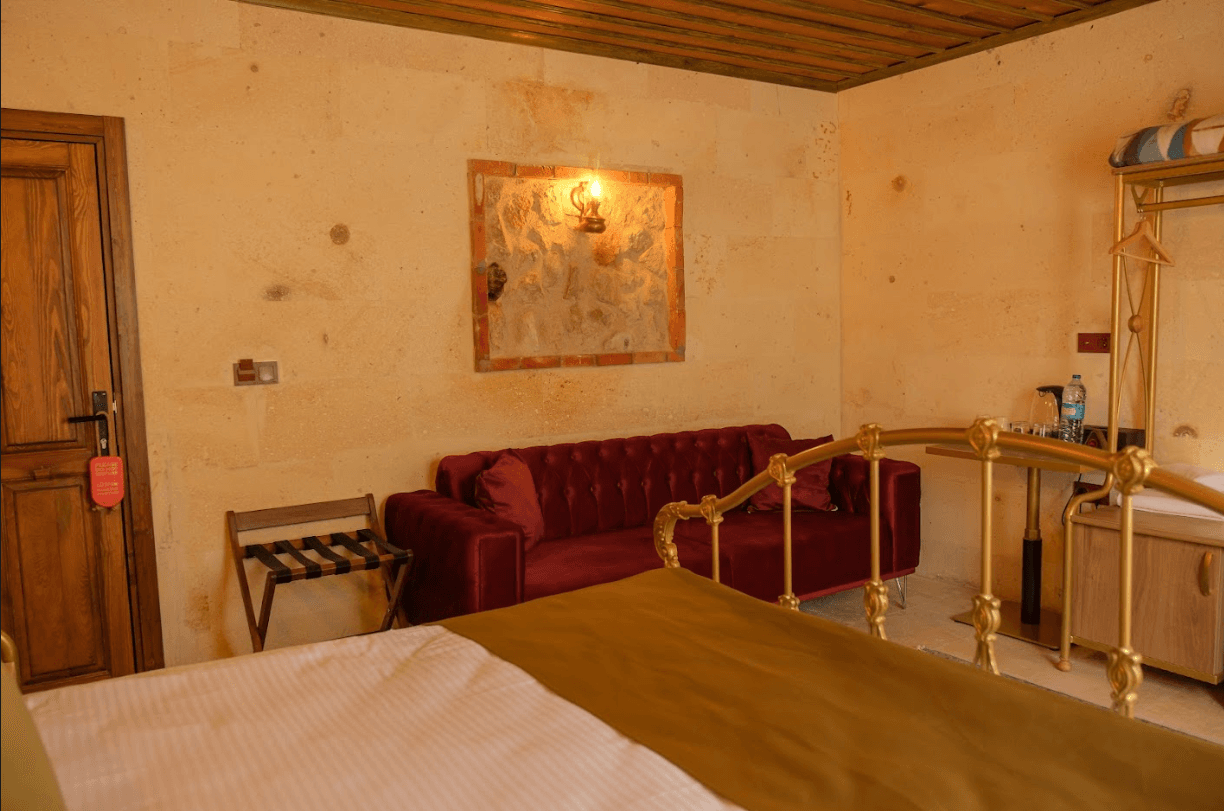
Winter days are short and evenings long and cold. That is why, in winter, the warmth of your room matters as much as the view. All 12 stone rooms at Zeppelin Cappadocia have heating, a tea and coffee set, a minibar and free Wi-Fi, and the Junior, Queen and King Suites add bathrobes and slippers.
The 50 m² Queen Suite and King Suite each have a jacuzzi, the easiest way to warm up after a cold valley walk. Breakfast is included, and free on-site parking and a 24-hour front desk make pre-dawn balloon mornings simpler. On flight days, balloons can be watched from our terrace overlooking Uçhisar Castle; in winter, wrap up before you step outside.
Planning a romantic winter break? Our Cappadocia honeymoon hotel page describes the jacuzzi suites, and our Uçhisar hotel page explains the location and the village's quieter pace. To compare the two suites side by side, see the Queen Suite and King Suite pages.
A sample winter day in Cappadocia
- 6:45–7:00 am: if you have a balloon booking, your pick-up arrives around now. If not, wait for sunrise (7:50–8:00 am) on the terrace; on flight days you can watch the balloons from there.
- 9:00 am: breakfast and a last look at the day's forecast.
- 10:00 am: Göreme Open-Air Museum (about 15 minutes by car) or, if it is snowing or windy, Kaymaklı Underground City (about 30 minutes).
- 1:00 pm: lunch, ideally testi kebabı or a bowl of hot soup.
- 2:30 pm: a pottery workshop in Avanos or a wine tasting in Ürgüp (both about 20 minutes by car).
- 4:45 pm: sunset around Uçhisar Castle, about a 15-minute walk from the hotel; the sun sets at around 5:20 pm in December and 5:45 pm in mid-January.
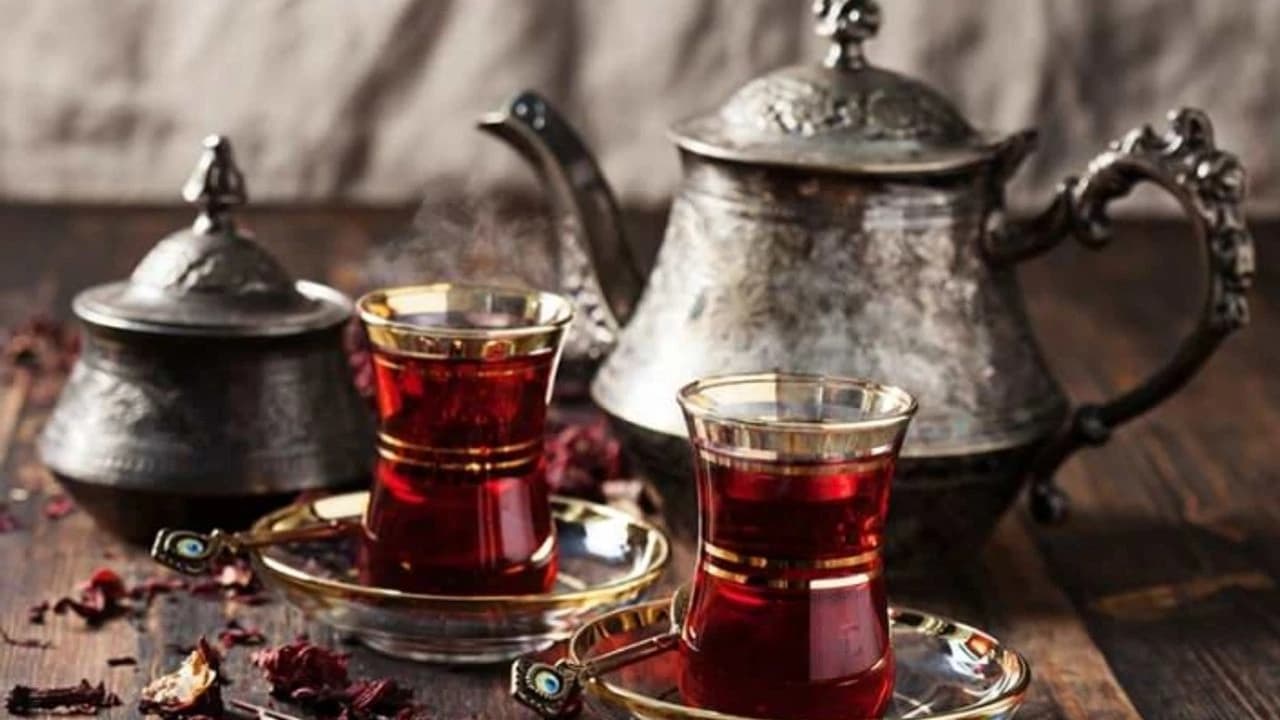
- Evening: warm up in the jacuzzi or over Turkish tea in a tulip-shaped glass, and go to bed early: tomorrow may be your back-up balloon morning.
For what to wear and pack, see our season-by-season Cappadocia packing list.
Sources
- Meteoroloji Genel Müdürlüğü – Nevşehir mevsim normalleri (1991–2020)
- Meteoroloji Genel Müdürlüğü – Nevşehir resmî iklim istatistikleri (1959–2025)
- Resmî Gazete – Kış Lastiği Kullanma Zorunluluğu tebliğinde değişiklik (4 Ekim 2025)
- Ekonomist (AA) – Kapadokya'da balon turizminin ilk yarı bilançosu, SHGM verileri (Temmuz 2026)
- GoTürkiye – Pottery Making (Avanos)